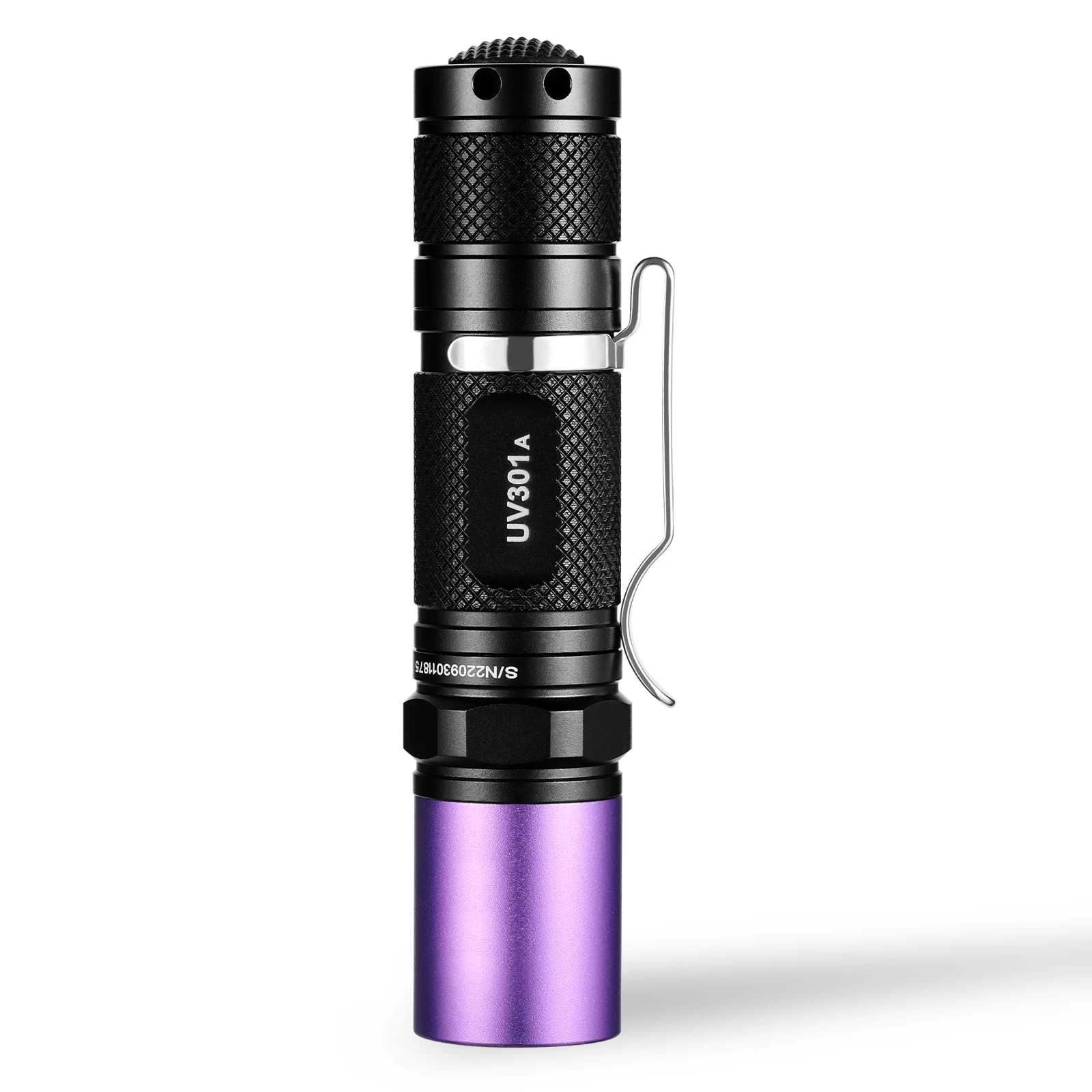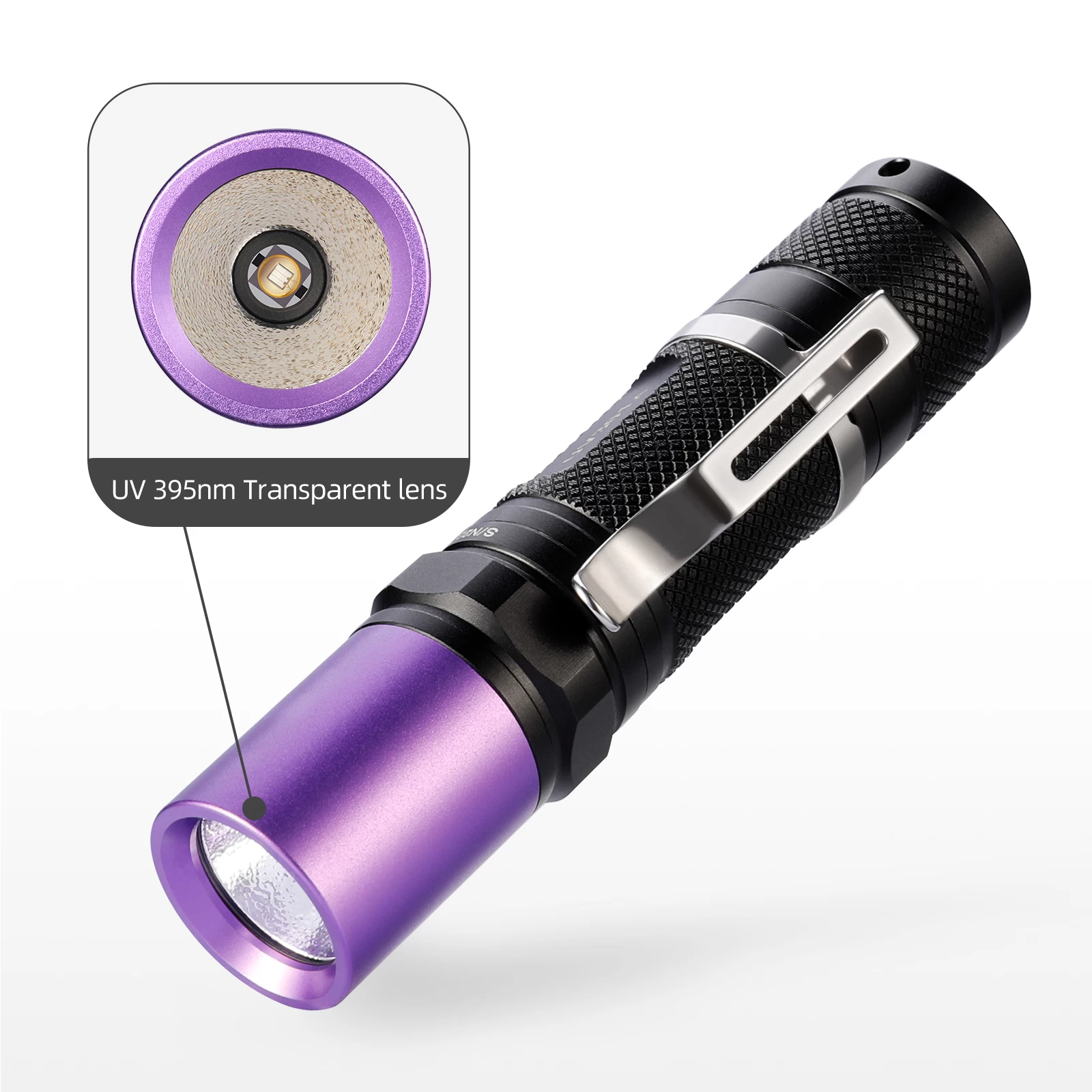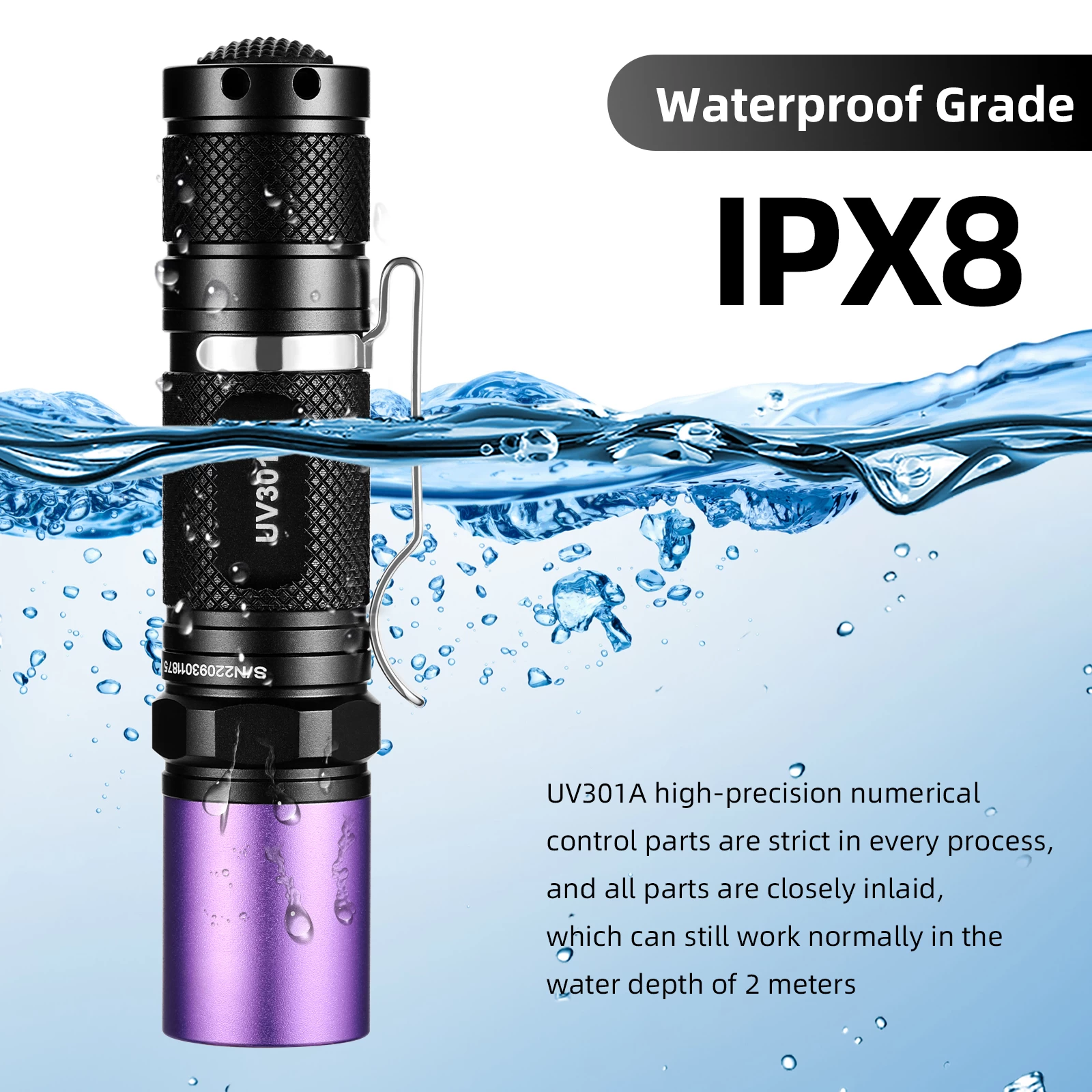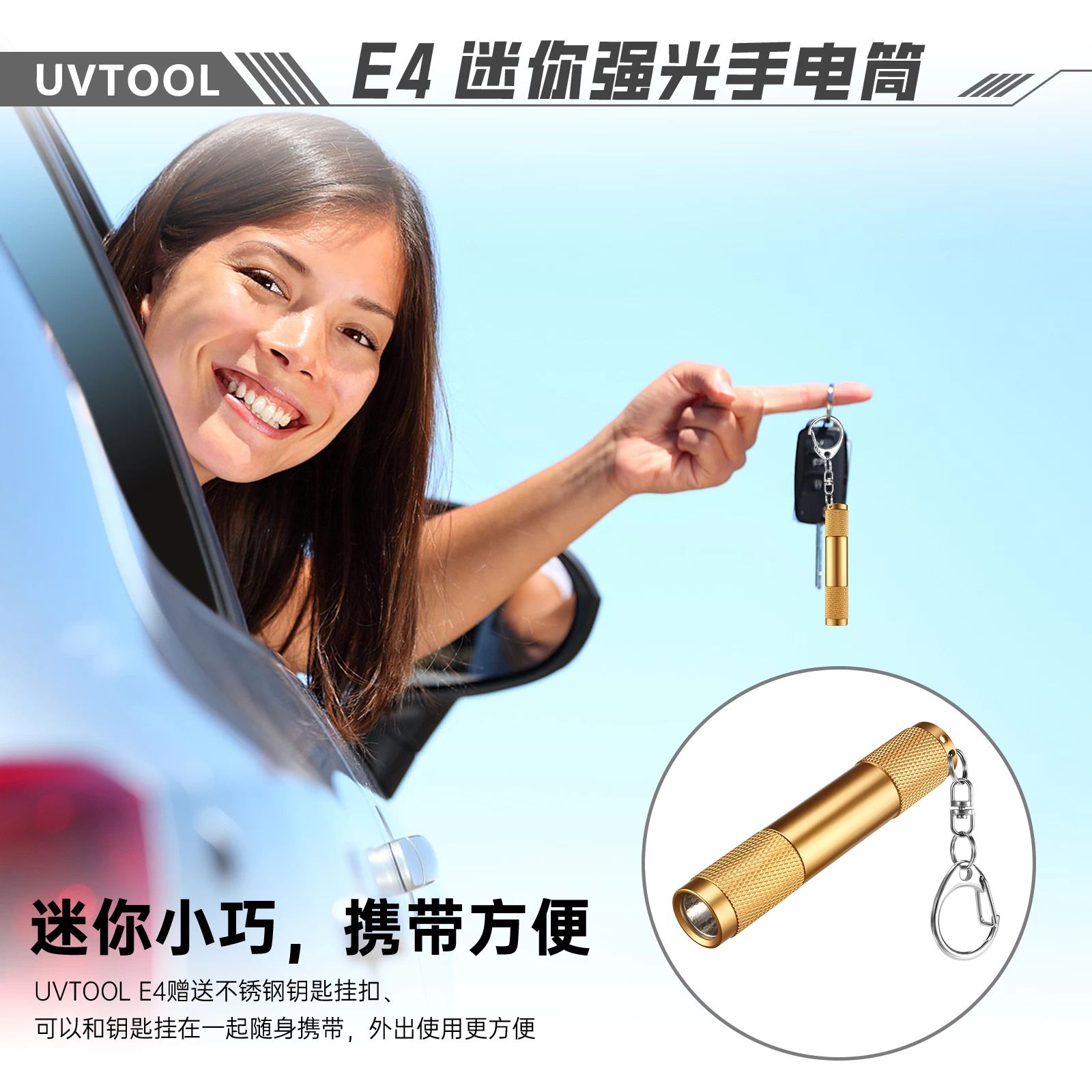
Phase 1: Project Initiation (Pre‑sales communication, 1‑3 working days)
- Confirm requirements: application scenario, target brightness, color temperature, runtime, mode settings, IP rating, dimensions, material (aluminum / stainless steel / titanium), charging method, MOQ, budget and lead time.
- Deliver SOR (Statement Of Requirements). Confirm whether to adopt existing housing molds, develop brand‑new molds or redesign the driver board.
- Quotation: BOM cost + sample‑making fee + mold cost + mass‑production quotation. Sign the project agreement, clarifying revision limits and delivery milestones.
Phase 2: Solution & Design (Skipped for light‑level customization)
- ID appearance design: renderings for appearance shape and surface finishing (blasting grit, anodizing color, knurling), 3‑10 working days.
- Structural design: 3D STEP models for flashlight body, head, tail cap, waterproof and heat‑dissipation structures with interference check; optical design for reflectors / lenses and beam spots, 7‑15 working days.
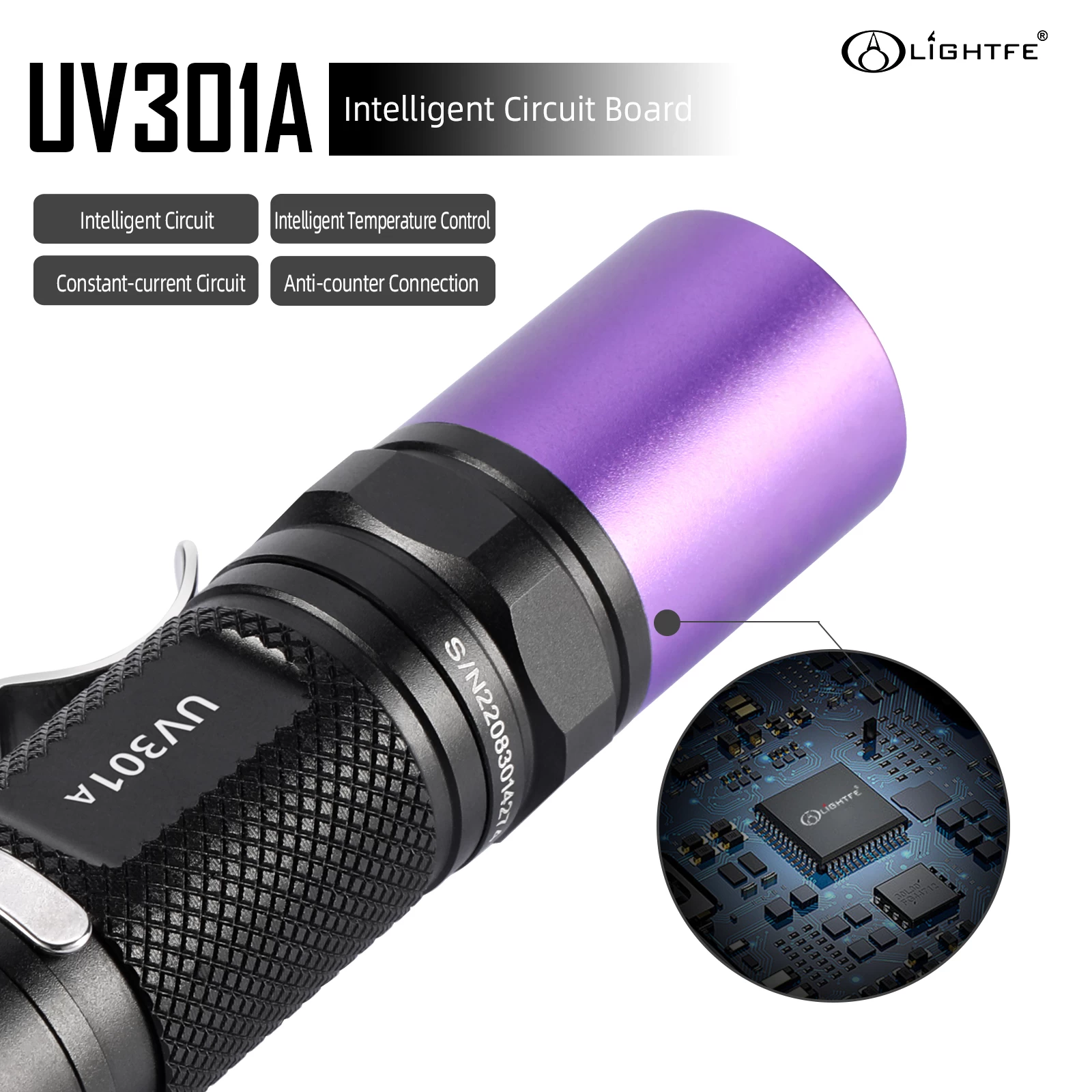
- Electronic hardware design: schematic drawing → PCB layout, driver solution and protection circuits (over‑charge / over‑discharge / short‑circuit). Output BOM list, 5‑12 working days.
- Internal review covering ID, structure, electronics and optics to verify feasibility. Issue 2D engineering drawings and freeze drawings. Further revisions after drawing freeze will incur extra costs and cause delivery delays.
Phase 3: Prototype Manufacturing, Testing & Validation
- CNC prototype fabrication: machine housings, source components, solder driver boards and assemble first‑article samples, 10‑20 working days.
- First‑round tests: luminous flux, temperature rise, runtime, waterproof performance, drop test and functional modes; record identified issues.
- Sample revision: adjust structure, PCB or optics and remake samples. Each revision cycle takes an extra 7‑15 working days.
- Customer confirmation and sample sealing. Sealed samples serve as the reference standard for mass production.
✅ For light‑level customization: adopt existing housings, only modify silk‑screen logo, anodizing finish or replace LED components. Sample delivery within 5‑7 working days.
Phase 4: Mold Fabrication (Only for full‑new mold‑opening projects)
- Manufacture aluminum extrusion molds, turning fixtures and plastic injection molds, 25‑40 working days.
- Mold trial‑run: produce housing samples, inspect dimensions and appearance, perform mold modification (normally 1‑3 rounds).
- Mold acceptance: proceed to pilot production once trial‑run samples meet dimensional requirements.
Phase 5: Pilot Production (PP run, 7‑14 working days)
- Source all required materials: aluminum housings, LEDs, driver boards, batteries, sealing rings, lenses, springs and packaging.
- Trial assembly on production line and build tooling fixtures.
- Full‑set reliability tests for pilot units: aging test, high‑low temperature test, IP waterproof test and drop test to identify mass‑production risks.
- Issue pilot‑production report. Move to mass production upon approval; carry out rectification if problems occur.
Phase 6: Formal Mass Production
- IQC incoming material inspection.
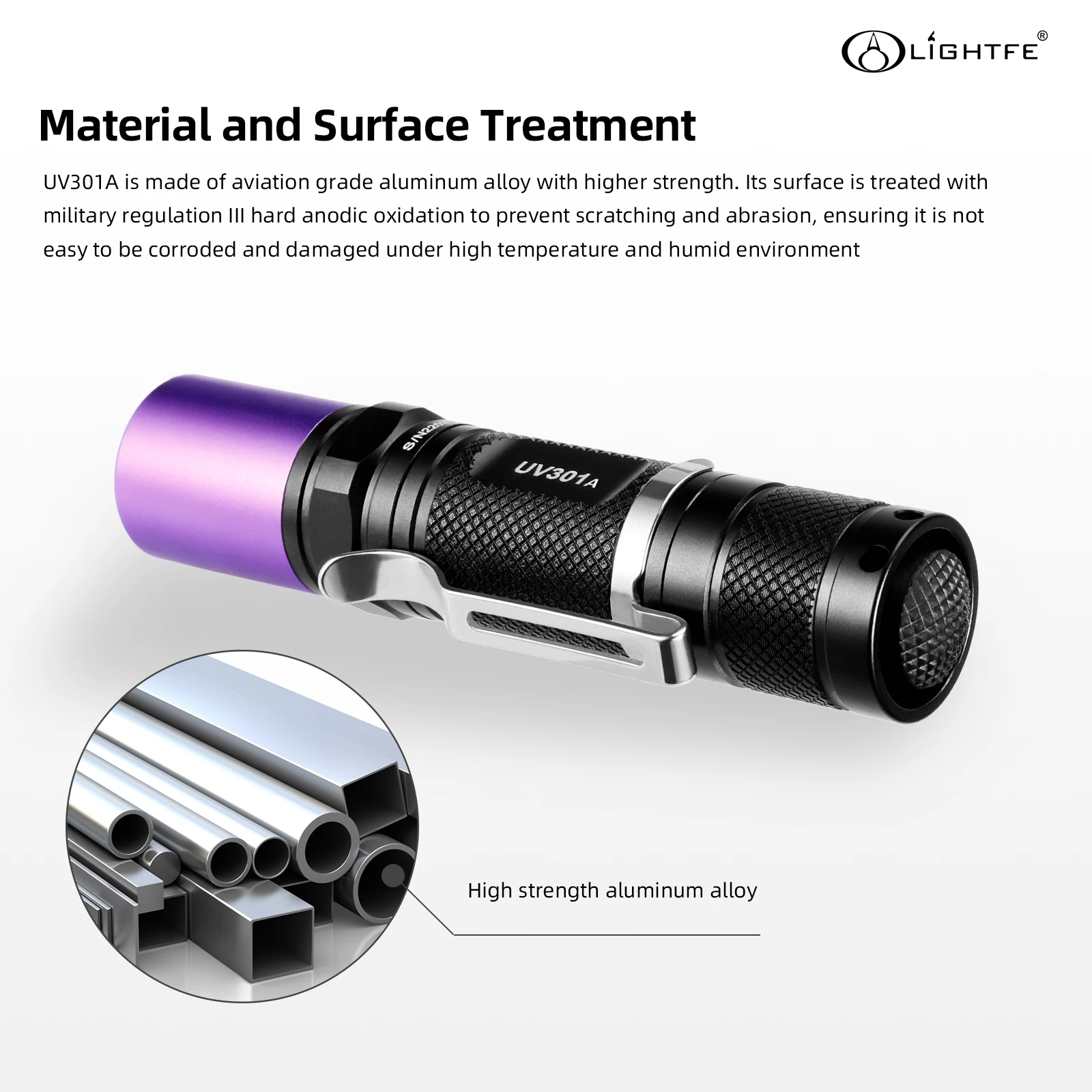
- Housing processing: CNC turning, knurling, sandblasting, anodizing and laser silk‑screen printing.
- SMT soldering for driver boards and component inspection.
- Assembly: install retainer ring, reflector, LED, sealing rings, tube body and tail switch.
- Finished‑product testing: power‑on inspection, luminous‑efficiency test, aging test and random waterproof sampling test.
- FQC final inspection, packaging and warehousing.