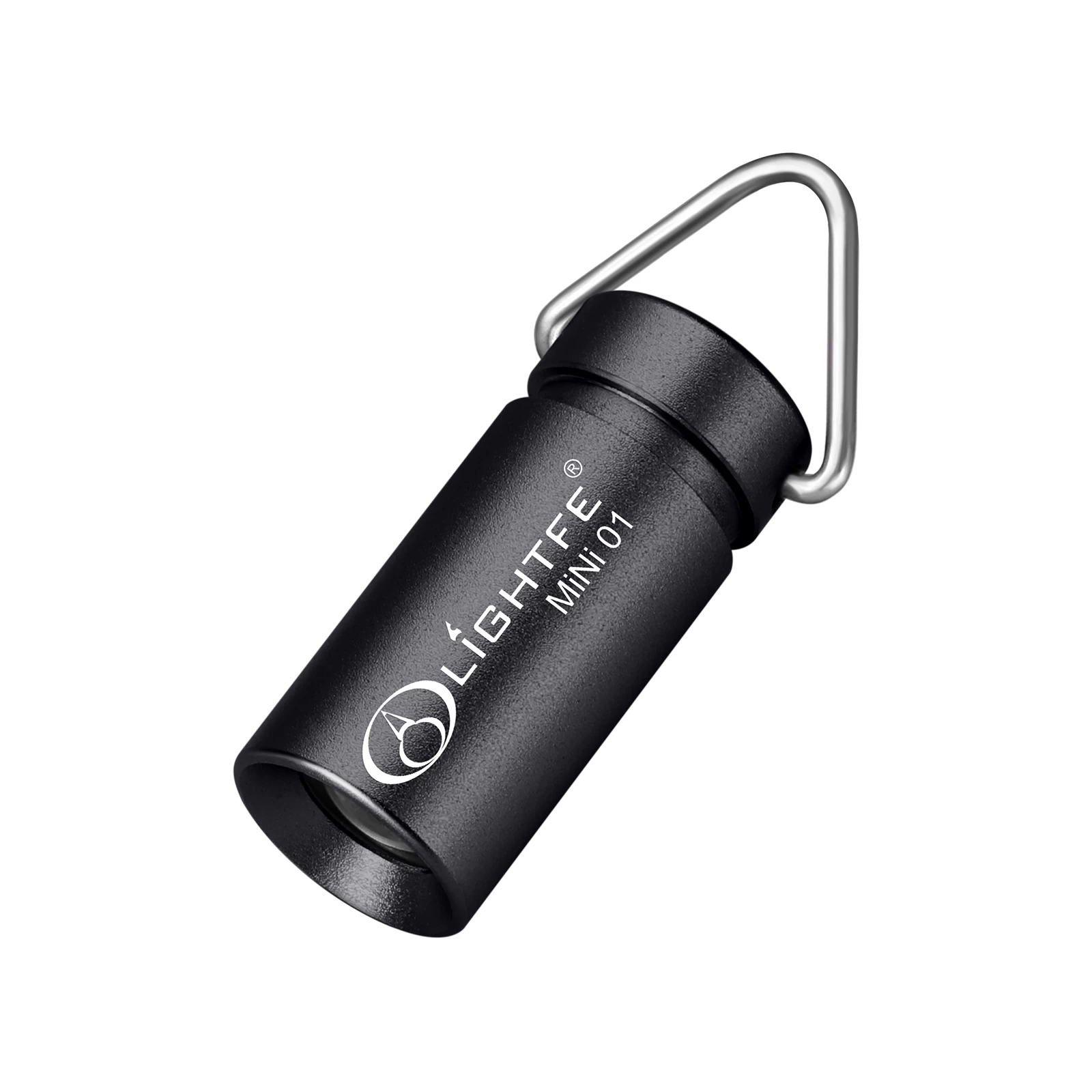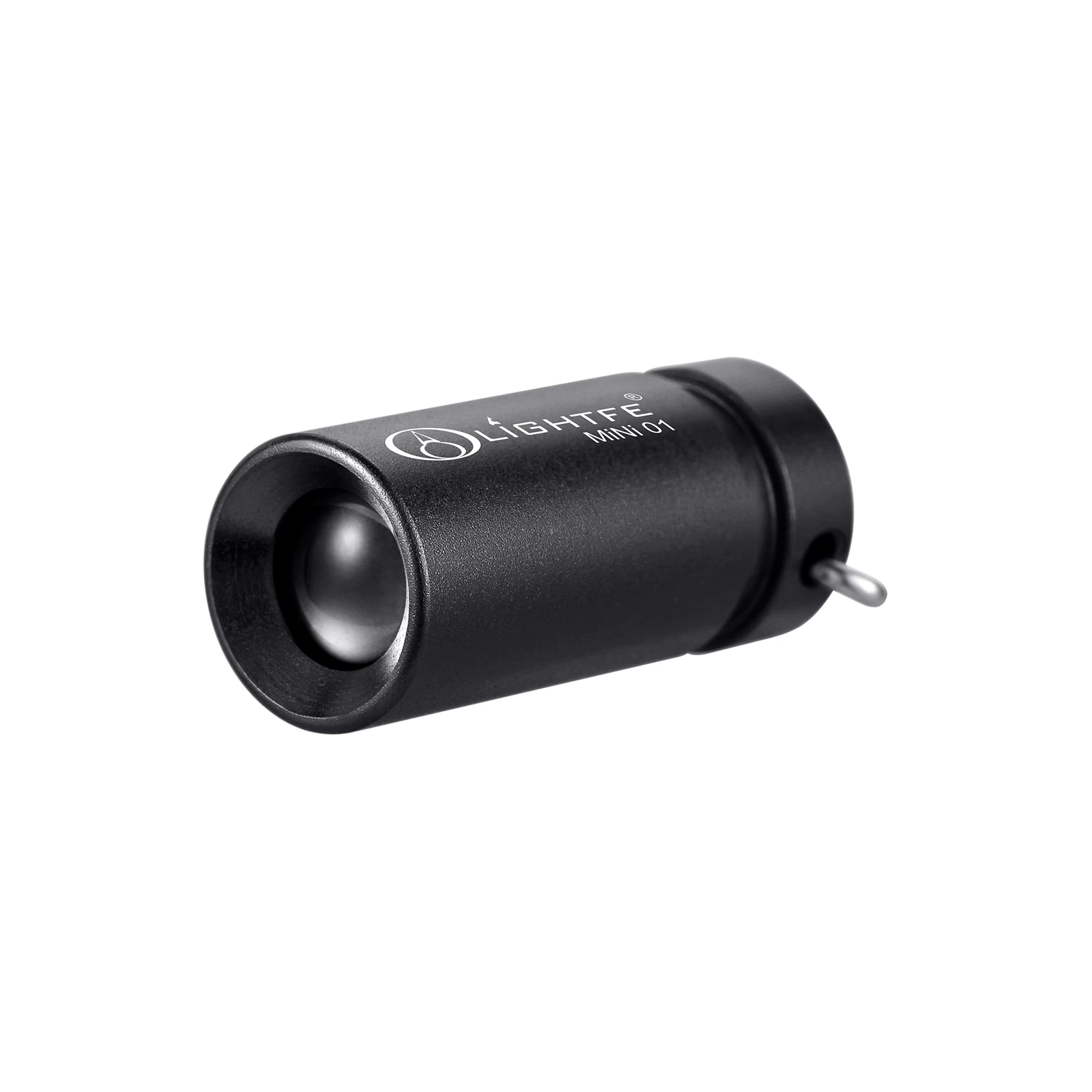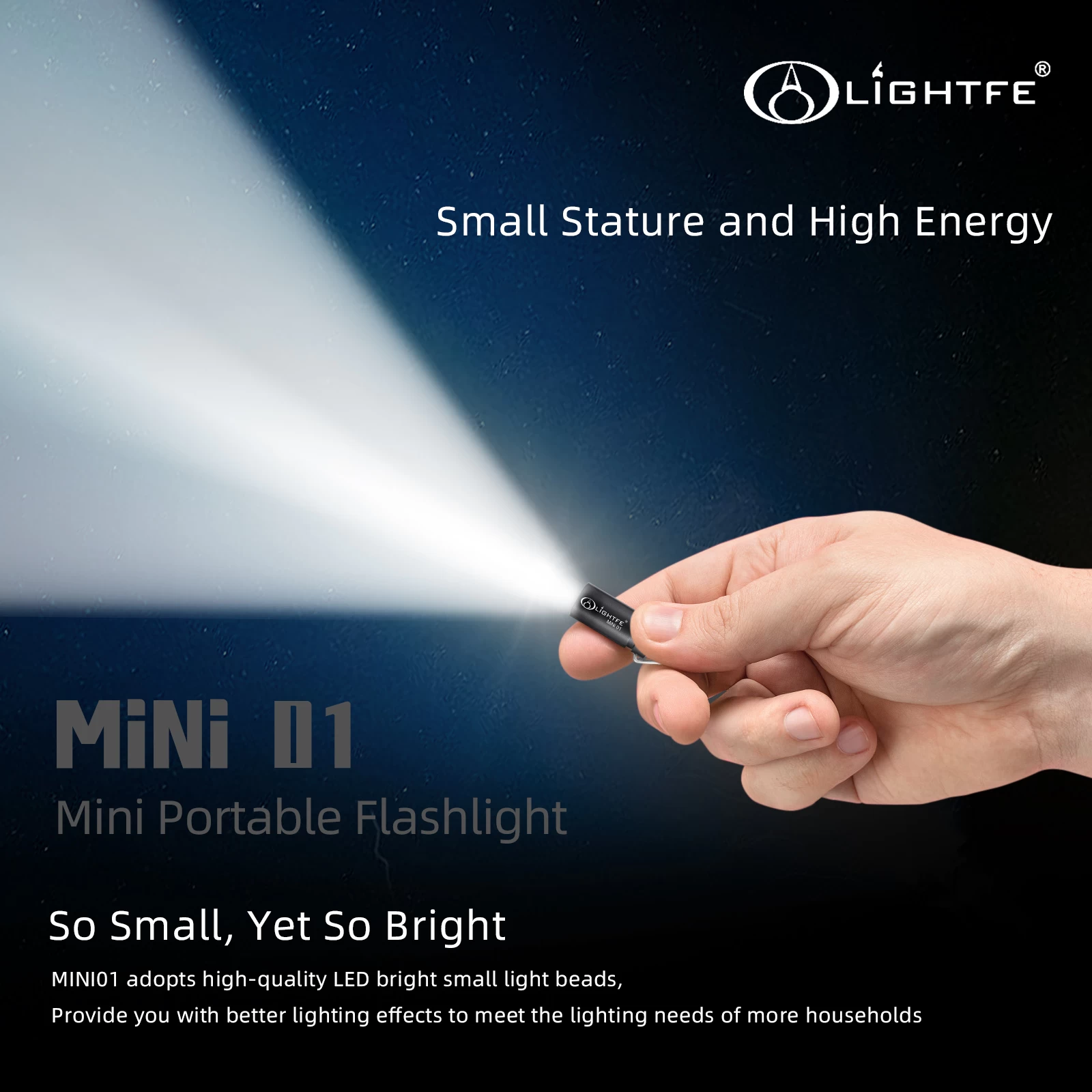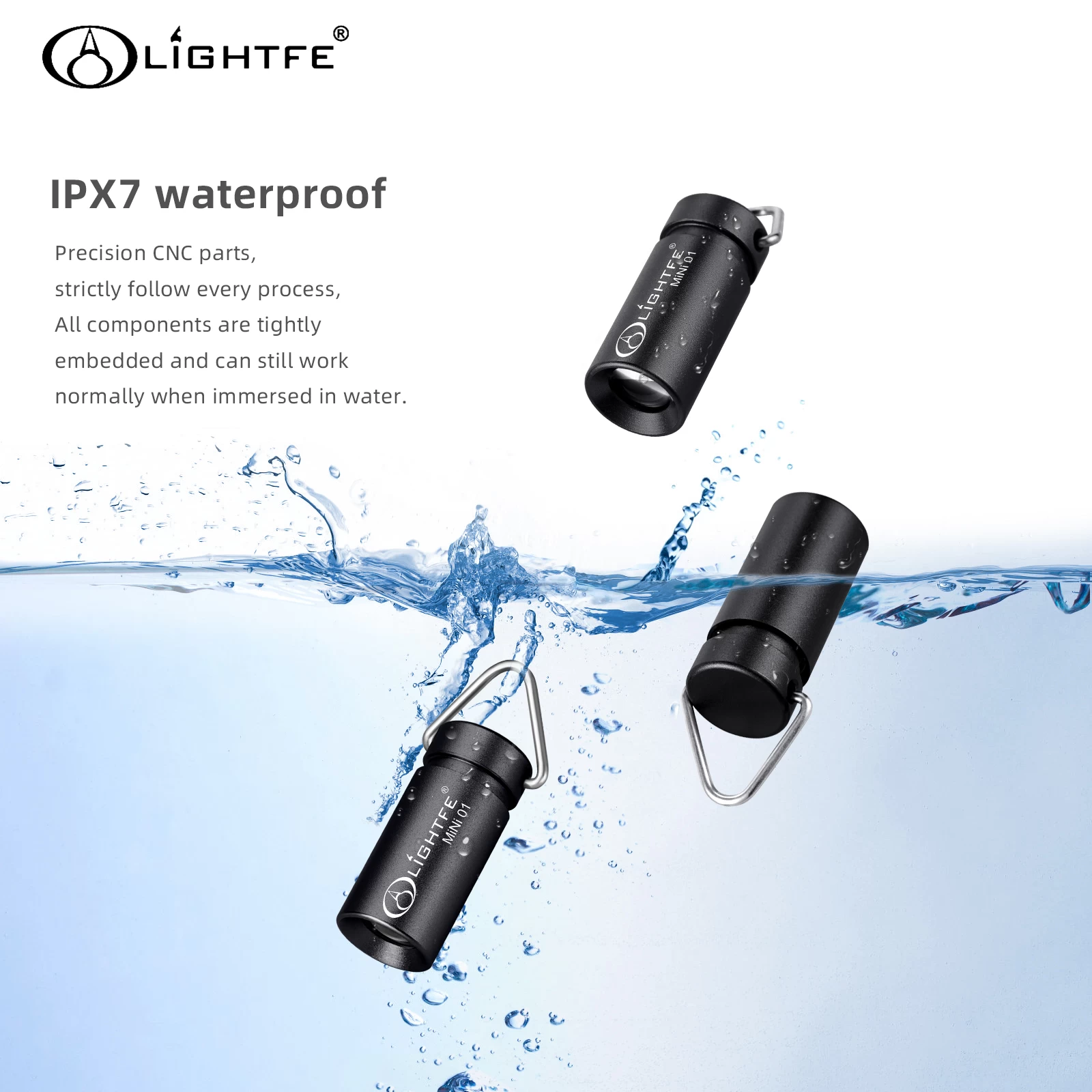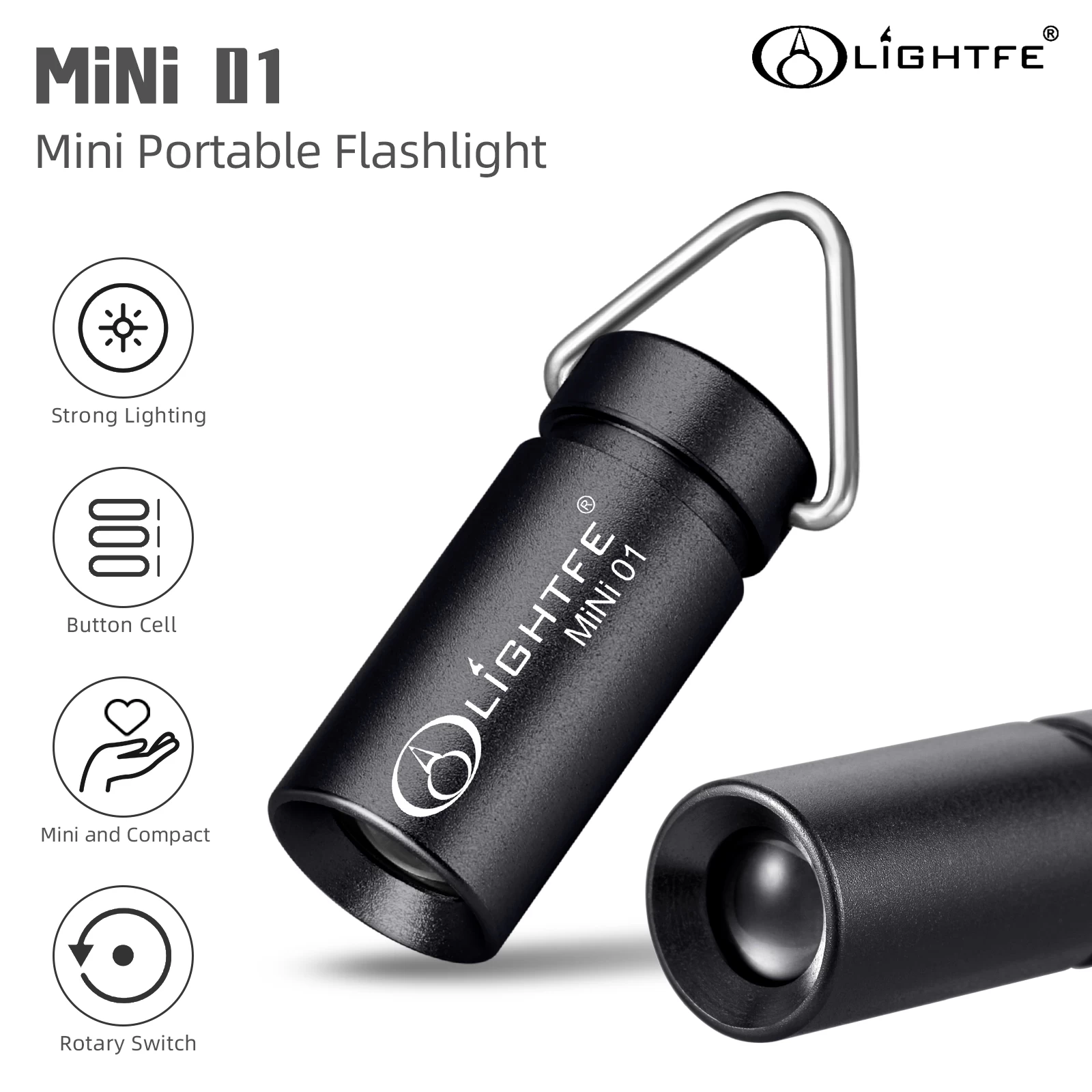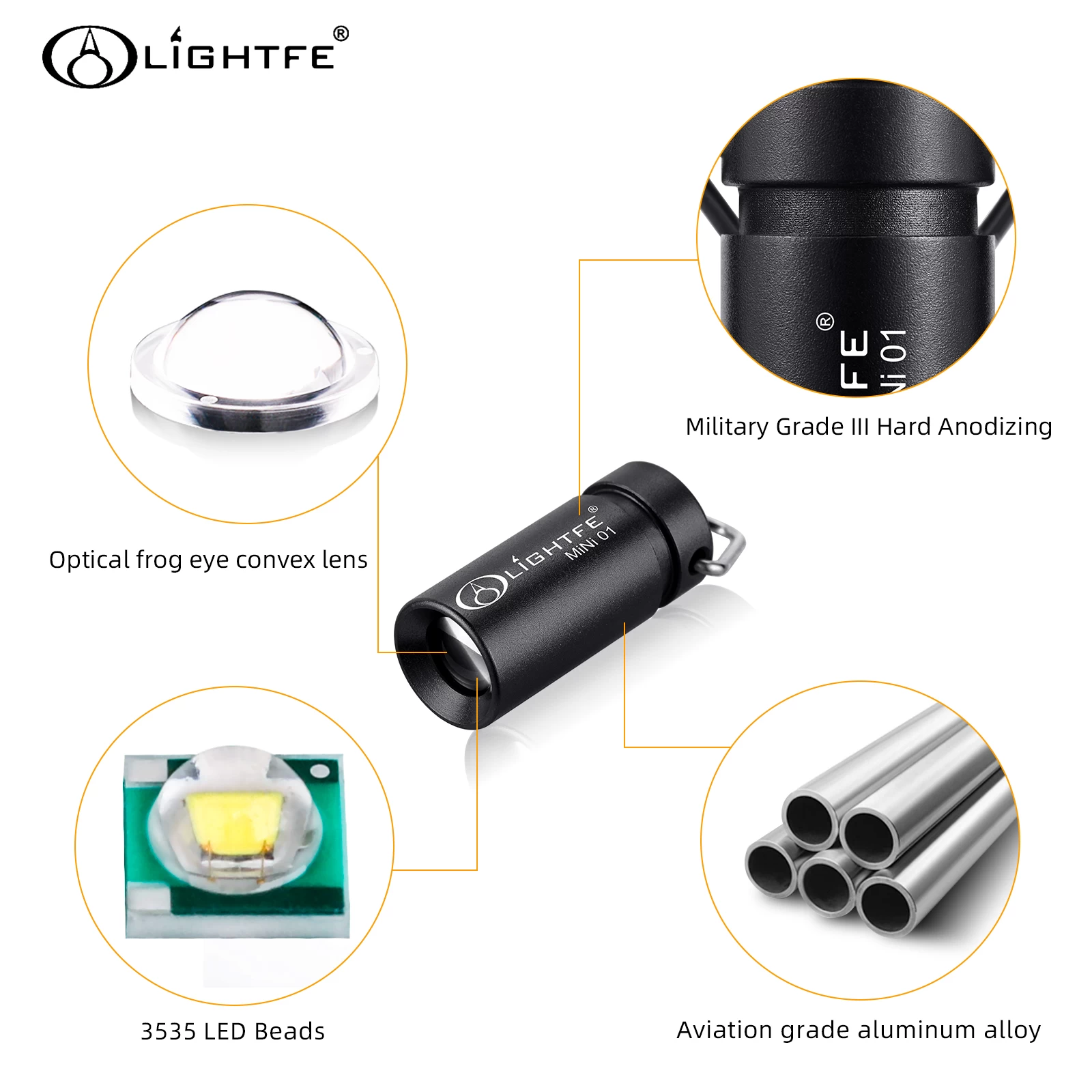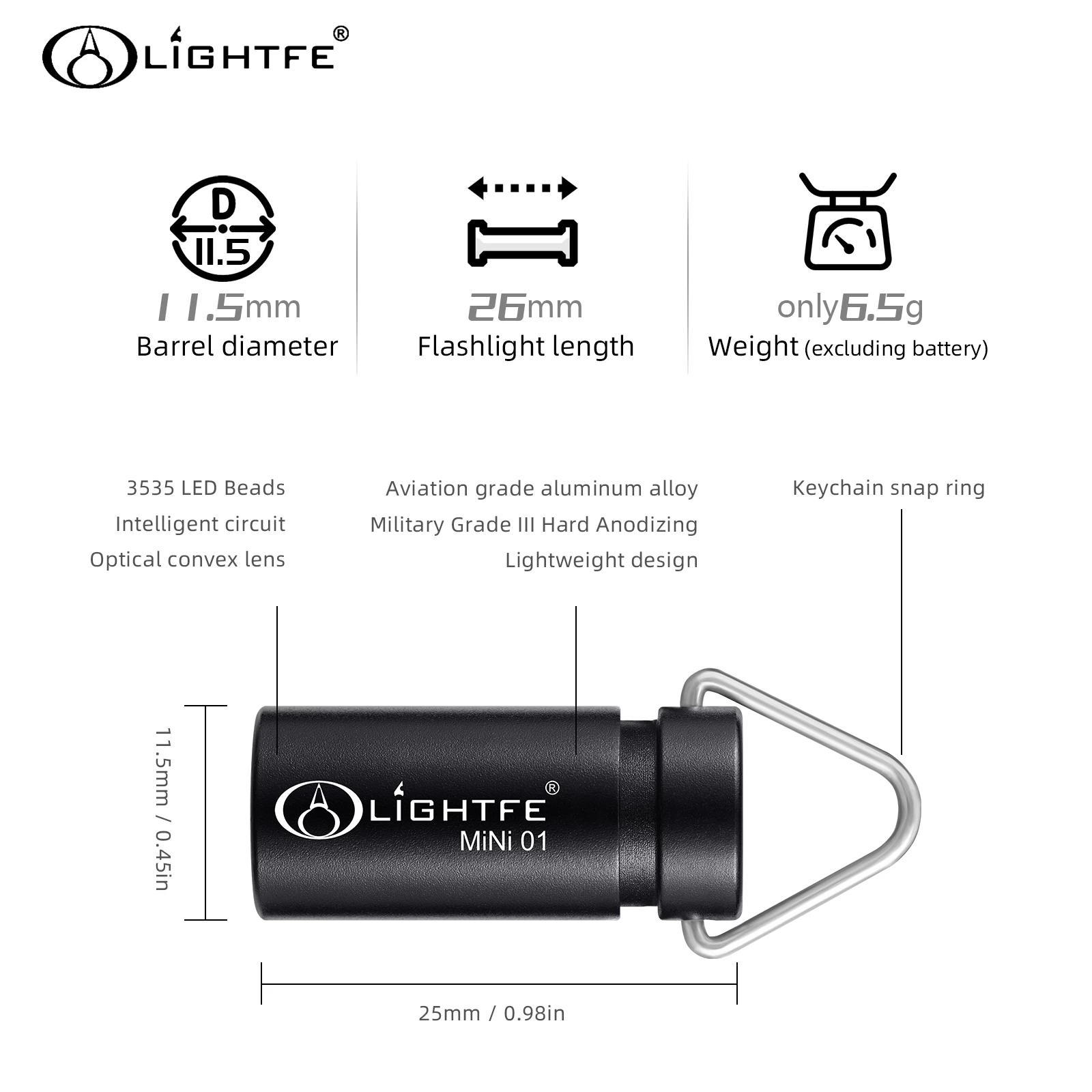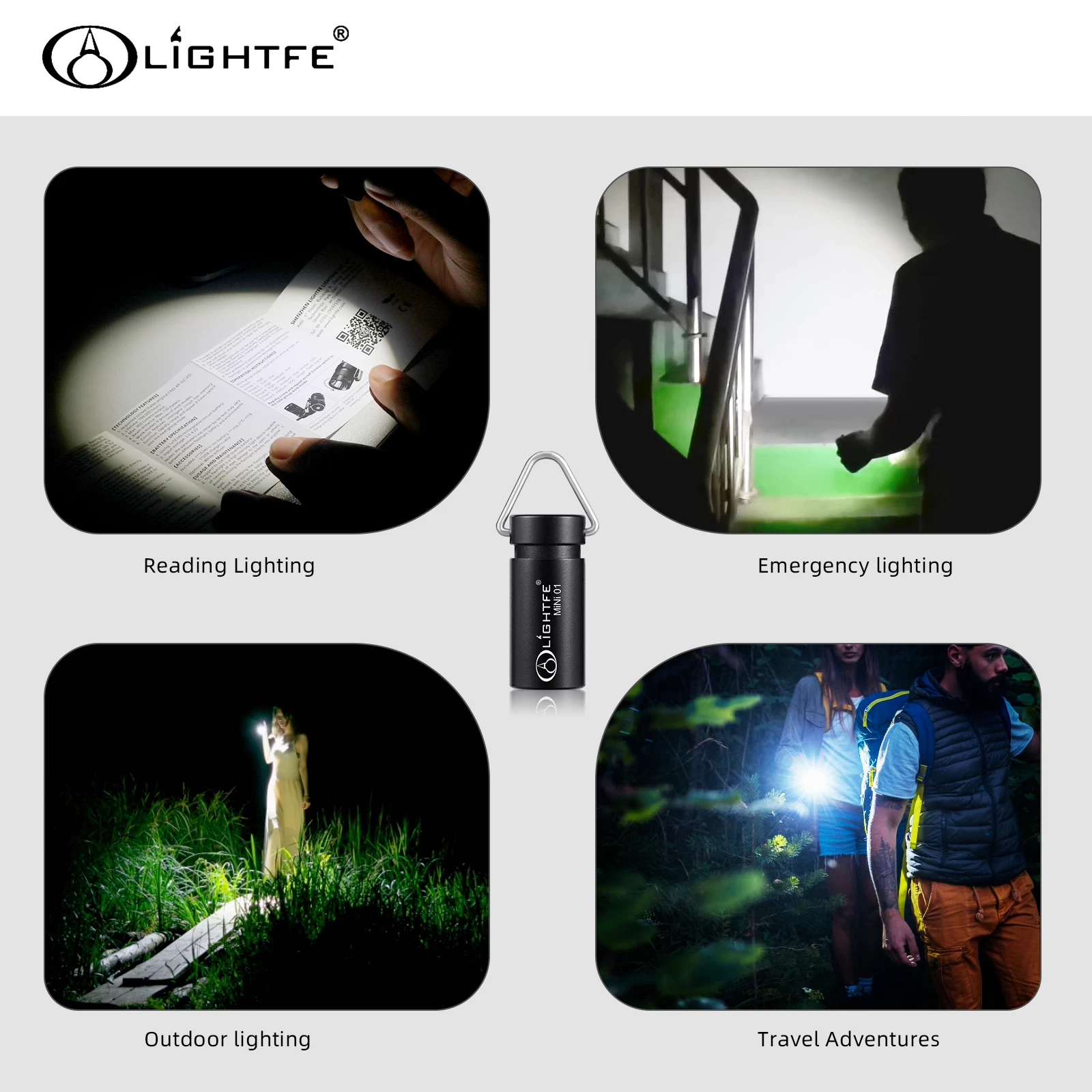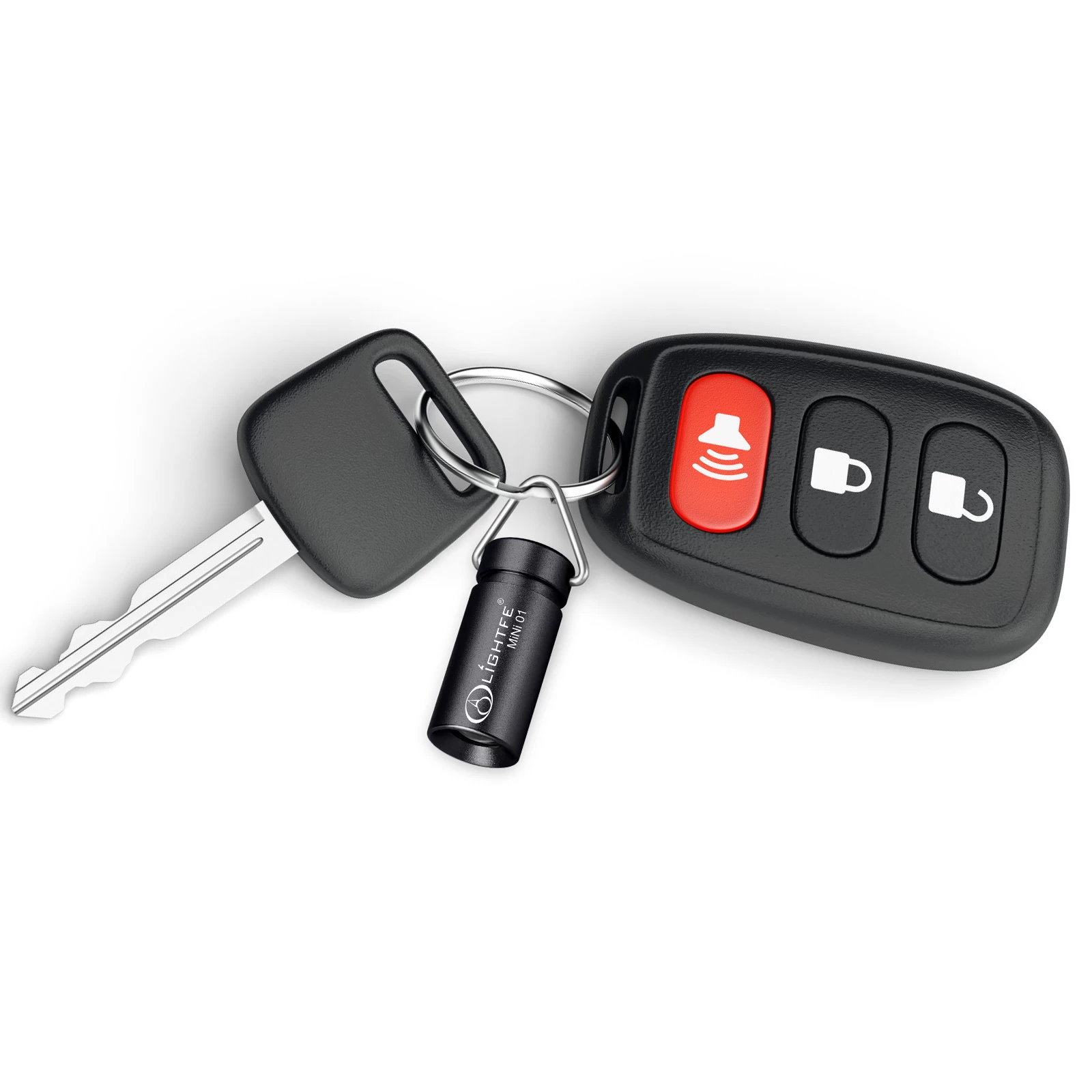
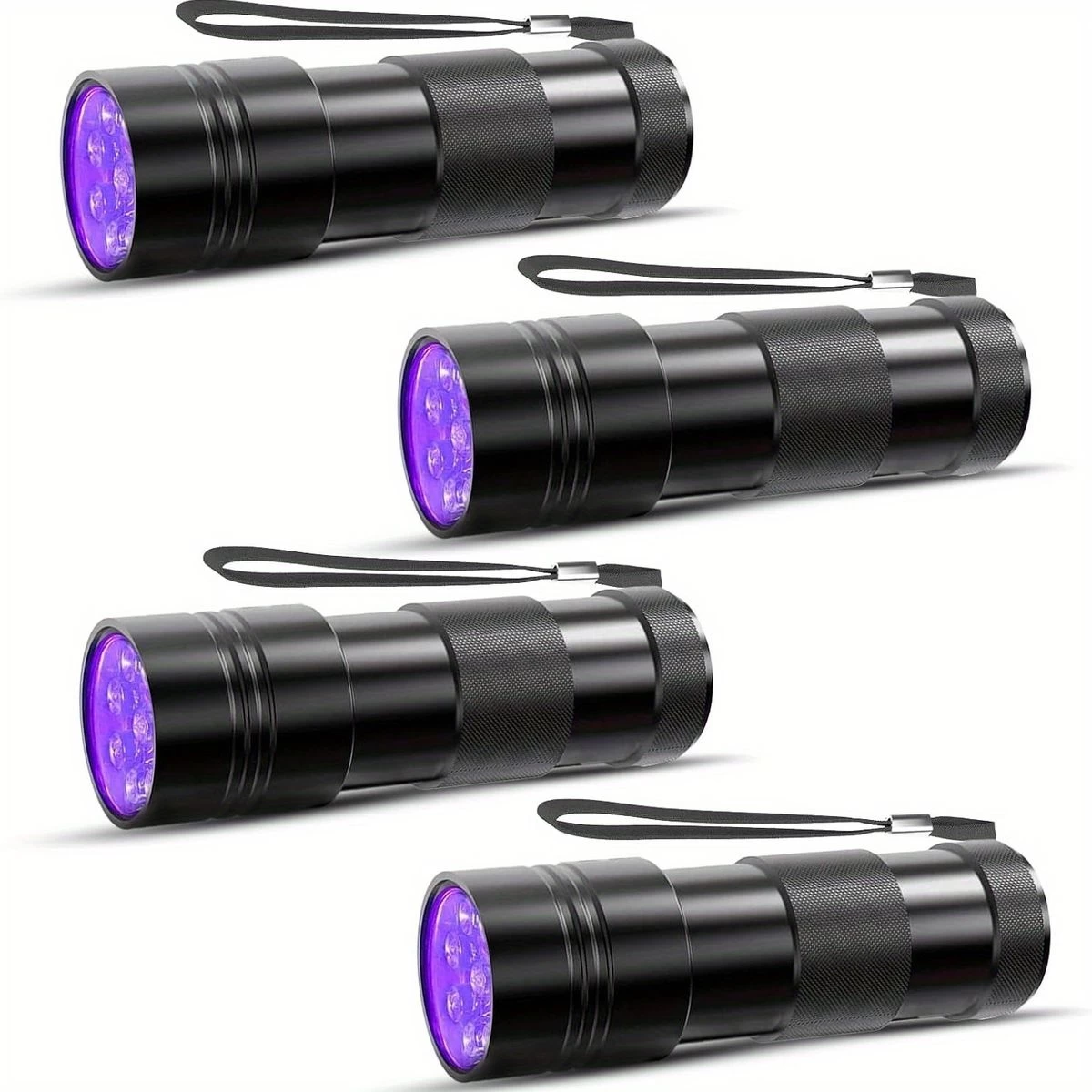
I. Light‑level Customization: Modify Appearance Accessories Based on Public Molds, Lowest Entry Barrier
Core Concept: The housing structure, driver circuit and optical components all adopt the factory’s proven public‑mold solutions. No changes are made to core hardware structures.
✅ Available Modifications
- Surface finishing of housing: adjust anodizing colors, blasting texture; apply laser‑engraved logos or screen‑printed patterns.
- Replacement of accessories: swap lenses, reflectors, tail caps and button caps; customize outer packages and hang tags.
- Minor hardware adjustment: replace LEDs with the same pad package to achieve simple color‑temperature switching.
❌ Not Allowed Modifications No changes to flashlight profile, overall dimensions, internal mechanical structure, PCB driver board, circuit mode logic or battery compartment size.
Project Features
- Sampling cycle: 5‑7 days
- Mass‑production cycle: 15‑25 days
- MOQ: Low. Most manufacturers accept orders starting from several hundred pieces.
- Cost: Only sampling fees plus premium for special surface treatments. No mold‑development costs.
- Risk: Extremely low. Public‑mold units have passed waterproofing, heat‑dissipation and reliability validation, ensuring stable mass production.
- Application scenarios: Promotional gift flashlights, corporate business giveaways, brand OEM labeling. Suitable for requirements limited to logo printing and color adjustment.
II. Moderate‑level Customization: Upgrade Electronics & Optics on Public‑mold Housing, No New Housing Molds
Core Concept: Retain the original outer housing profile while redesigning internal circuits and optical solutions.
✅ Available Modifications
- Keep original profile and dimensions of barrel, head and tail cap.
- Redesign driver PCB: customize lighting modes, power‑output curve, thermal control strategy, Type‑C charging and battery‑protection logic.
- Revised optical solution: redesign reflectors and lenses to achieve custom beam patterns.
- Hardware fine‑tuning: install higher‑power LEDs; adjust thermal gaskets and sealing‑ring specifications.
❌ Not Allowed Modifications Cannot alter barrel profile, outer diameter, total length or internal mounting positions of the housing. Internal upgrades are constrained by the inherent space of the public‑mold housing.
Project Features
- Sampling cycle: 10‑20 days (including driver tuning and aging reliability tests)
- Mass‑production cycle: 25‑35 days
- Cost: PCB sampling fees plus component sample costs. No housing mold fees.
- Risk: Moderate. Though the housing itself is mature, newly‑developed drivers and optics require multiple rounds of reliability verification.
- Application scenarios: In‑house brands seeking unique beam performance and custom operation modes, without bearing high mold‑opening expenses.
III. Deep‑level Customization: Full ODM Development with Brand‑new Housing Molds
Core Concept: Complete from‑scratch R&D covering ID appearance, mechanical structure, electronics and optics, together with brand‑new custom housing molds.
✅ Full Customization Scope
- Appearance styling: freely define barrel shape, contour lines, knurling, head geometry, overall dimensions and weight.
- Structural design: independent design for heat dissipation, waterproofing, battery compartment, buttons and disassembly mechanisms.
- Electronic system: brand‑new circuit schematics and PCB layouts; custom lighting modes, charging schemes and intelligent functions.
- Material options: aluminum alloy, stainless steel, titanium alloy and more, compatible with diverse special surface treatments.
- Optical system: fully custom‑designed reflectors and lenses for special applications such as inspection, search‑and‑rescue, UV and red‑light flashlights.
Project Features
- Project cycle: 90‑150 days; complex special‑purpose models may take up to 180 days.
- Cost: ID design fee + mechanical‑structure design fee + prototype fee + high housing mold‑opening fee (aluminum turning / extrusion molds cost significantly) + BOM sampling fee.
- MOQ: High. Large‑volume orders are required to amortize mold‑development expenditure.
- Risk: Relatively high. Multiple iterations and validation are needed across ID design, prototyping, mold trials and pilot production to resolve potential issues such as structural interference, insufficient heat dissipation and waterproof failure.
- Application scenarios: Developing flagship flashlights for proprietary brands where high differentiation in appearance and performance is required.